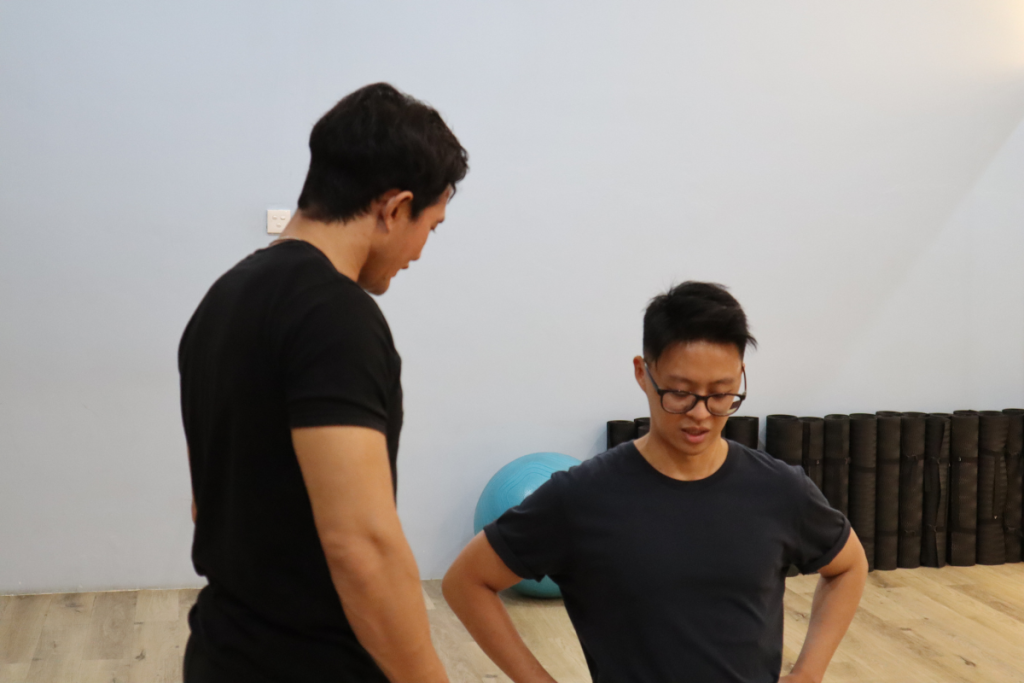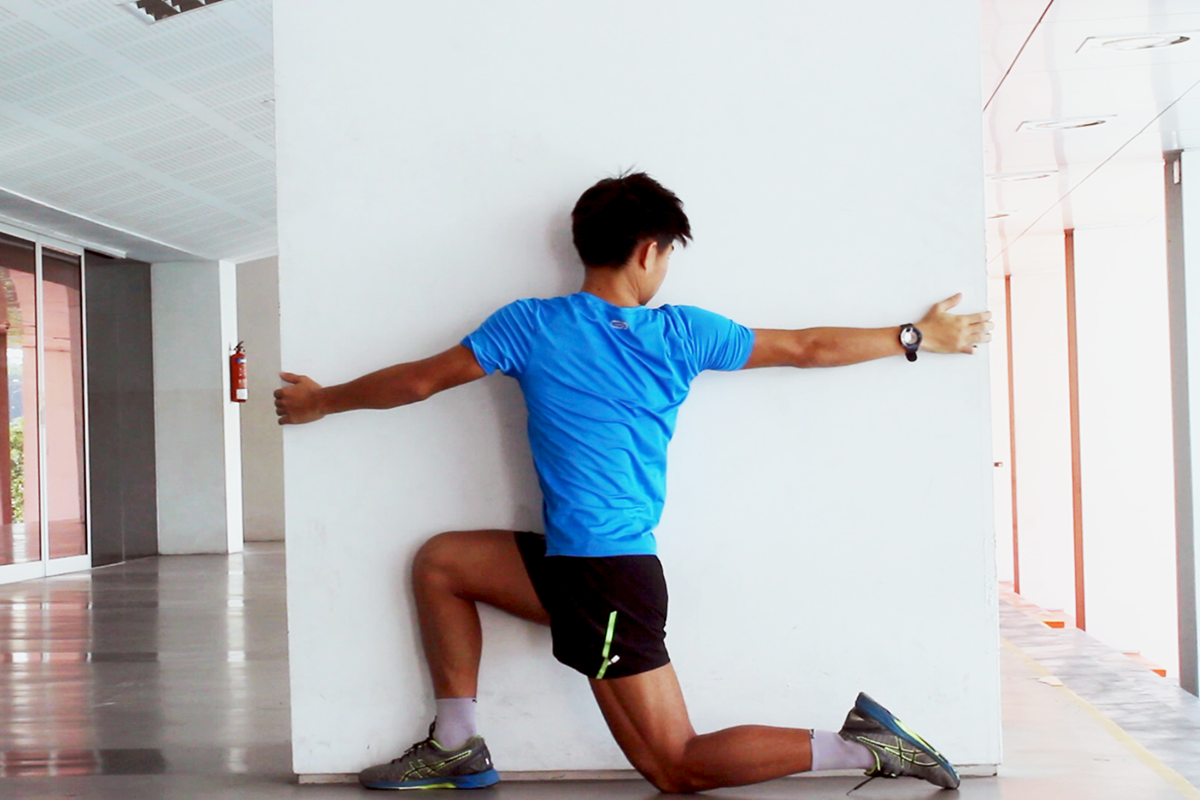
The art and science of flexibility have been a cornerstone in the realm of physical fitness and athletic training. While often overshadowed by strength and endurance, flexibility is the unsung hero behind optimal performance and decreased injury risk. Whether you’re a fitness novice or an elite athlete, a personalized stretching regimen can be a game-changer. In this blog post, we will delve into the nuances of teaching flexibility to individuals of different fitness levels and share key strategies to tailor stretching routines to meet specific goals.
The Importance of Flexibility
Before diving into teaching techniques, it’s essential to understand why flexibility matters. Flexibility improves the range of motion of our muscles and joints. It also aids in everyday activities and acts as a safeguard against injury (Bracko, 2002). Furthermore, a comprehensive review of literature reveals that flexibility training is beneficial for both aerobic and anaerobic performance (Shrier, 2004).
Teaching Novices
Assessing the Baseline
The first step in teaching flexibility to novices is understanding their current level of flexibility. This assessment often includes tests for hamstrings, lower back, and shoulder flexibility (Cornwell et al., 2001).
Progressive Approach
Starting with simple, static stretches is often recommended for beginners. A progressive approach ensures that individuals are not overwhelmed and can see measurable improvements over time.
The Athletic Tier
Dynamic Stretching
Dynamic stretching involves moving parts of your body and gradually increasing reach or speed of movement. Studies indicate that dynamic stretching before an activity improves performance and decreases the risk of injury (McMillian et al., 2006).
Sport-Specific Stretching
For athletes, the stretching routine should be intricately linked to the demands of their respective sports. For instance, a basketball player might focus on hip and ankle flexibility, while a swimmer may concentrate on shoulder mobility (Behm et al., 2016).
Customization: The Ultimate Key
Every individual is different, and so should their stretching routines be. Here are some strategies to personalize your teaching:
Goal-Oriented Routines
If a client’s goal is injury prevention, focus on strengthening and stretching the muscles most prone to injury in their activities. On the other hand, if someone aims to improve performance, zero in on muscles central to their sport or activity.
Age and Other Factors
Flexibility tends to decrease with age, necessitating different approaches for older adults (Gajdosik et al., 1999). Additionally, factors like previous injuries, muscle imbalances, and specific strengths and weaknesses should be considered.
Teaching flexibility is a nuanced art that can have profound effects on an individual’s health and performance. Through a systematic approach and a thorough understanding of each person’s needs, effective and personalized stretching routines can be developed. From the fitness novice to the elite athlete, a thoughtful, evidence-based stretching regimen can unlock a new dimension of physical wellness.
References
- Bracko, M. R. (2002). Can stretching prior to exercise and sports improve performance and prevent injury? Research Digest, 3(7), 1-8.
- Shrier, I. (2004). Does stretching improve performance? A systematic and critical review of the literature. Clinical Journal of Sport Medicine, 14(5), 267-273.
- Cornwell, A., Nelson, A., & Sidaway, B. (2001). Acute effects of stretching on the neuromechanical properties of the triceps surae muscle complex. European Journal of Applied Physiology, 86(5), 428-434.
- McMillian, D. J., Moore, J. H., Hatler, B. S., & Taylor, D. C. (2006). Dynamic vs. static-stretching warm up: the effect on power and agility performance. The Journal of Strength & Conditioning Research, 20(3), 492-499.
- Behm, D. G., Blazevich, A. J., Kay, A. D., & McHugh, M. (2016). Acute effects of muscle stretching on physical performance, range of motion, and injury incidence in healthy active individuals: a systematic review. Applied Physiology, Nutrition, and Metabolism, 41(1), 1-11.
- Gajdosik, R. L., Vander Linden, D. W., McNair, P. J., Riggin, T. J., Albertson, J. S., Mattick, D. J., & Wegley, J. C. (1999). Effects of an eight-week stretching program on the passive-elastic properties and function of the calf muscles of older women. Clinical Biomechanics, 14(9), 666-675.