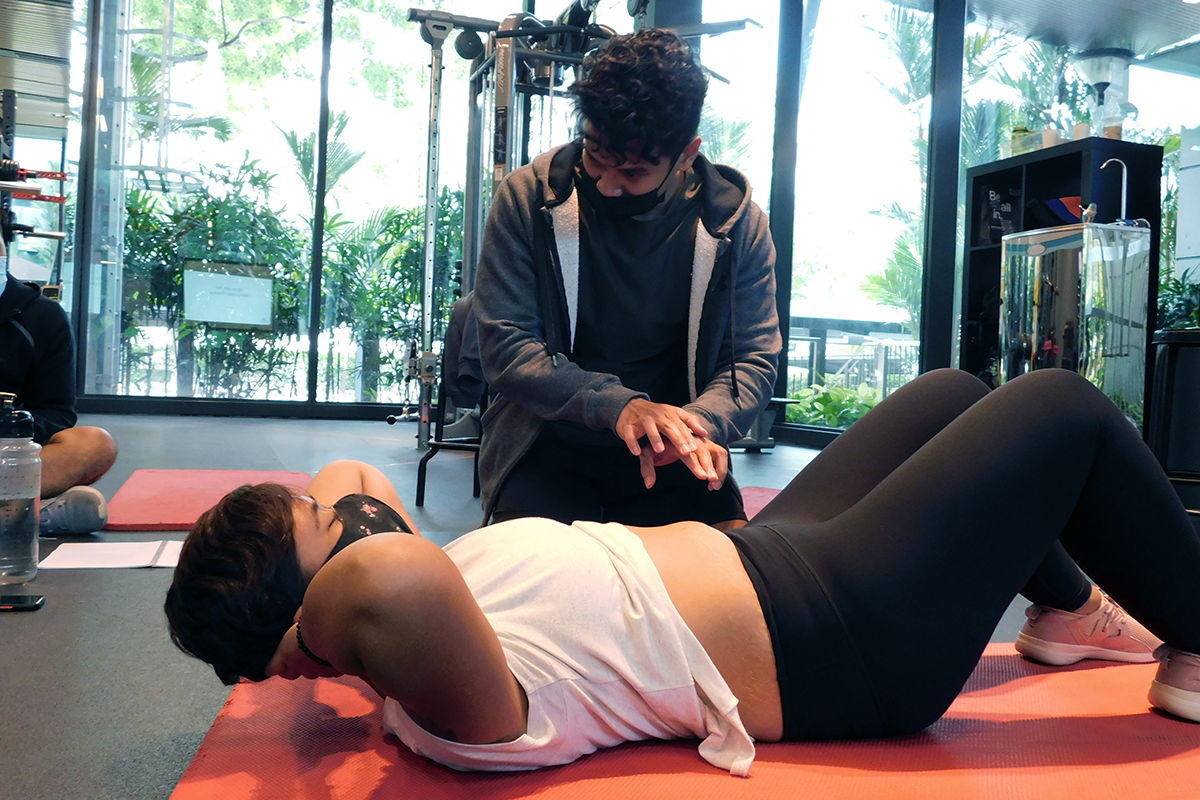
Diastasis Recti is a common yet often misunderstood condition that affects many postpartum women. It refers to the separation of the rectus abdominis muscles, which are responsible for the “six-pack” appearance. During pregnancy, the growing uterus exerts pressure on these muscles, causing them to stretch and separate. Understanding diastasis recti, its implications, and the exercises that fitness professionals can incorporate into postpartum programming is crucial for the physical and emotional well-being of new mothers. In this article, we will provide an in-depth exploration of diastasis recti, offer insights into its implications, and offer exercises that fitness professionals can implement to help address and prevent this common condition.
The Anatomy of Diastasis Recti
What is Diastasis Recti?
Diastasis recti, also known as abdominal separation, is the separation of the rectus abdominis muscles along the linea alba, the connective tissue running down the midline of the abdomen. During pregnancy, the growing uterus exerts significant pressure on these muscles, causing them to stretch and separate. This separation can persist postpartum and may lead to various issues (Benjamin et al., 2019).
Measuring Diastasis Recti
Diastasis recti can be measured by assessing the width of the separation, typically done in finger-widths or centimeters (Michalska et al., 2018). A separation of more than 2.7 centimeters is often considered a diastasis.
Implications of Diastasis Recti
Physical Implications
Diastasis recti can have a range of physical implications, including:
- Core Weakness: The separation weakens the core muscles, leading to poor posture and back pain.
- Pelvic Floor Dysfunction: It can contribute to pelvic floor issues like incontinence.
- Hernias: In severe cases, diastasis recti can lead to hernias, as the weakened abdominal wall struggles to contain the organs (Bursch et al., 2018).
Emotional and Psychological Impact
Diastasis recti can also have a significant emotional and psychological impact:
- Body Image: Changes in the abdominal appearance can affect a woman’s self-esteem and body image, leading to emotional distress (Jastreboff et al., 2015).
- Postpartum Depression: The emotional toll of diastasis recti can contribute to or exacerbate postpartum depression (Thome et al., 2016).
Exercises to Address Diastasis Recti
Postpartum Recovery
Pelvic Floor Exercises
- Kegel Exercises: These exercises help strengthen the pelvic floor muscles, which play a crucial role in providing support to the abdominal muscles and preventing further separation.
- Deep Pelvic Floor Engagement: Focusing on deep pelvic floor engagement during exercises can help support the abdominal muscles (Schoen et al., 2019).
Breathing Exercises
Diaphragmatic breathing exercises aid in core activation and stabilization. They promote proper alignment and support abdominal healing.
Transverse Abdominis (TA) Engagement
The transverse abdominis is the deepest abdominal muscle responsible for core stability. Specific exercises targeting TA engagement can help narrow the gap between separated muscles (Schoen et al., 2019).
Strength and Rehabilitation
Planks
Modified planks with proper form can help strengthen the core without exacerbating diastasis recti. These exercises help rebuild abdominal strength and stability.
Pelvic Tilts
Gentle pelvic tilts promote abdominal engagement and can be a safe way to start rebuilding core strength.
Leg Slides
A controlled movement that involves sliding one leg at a time while maintaining core stability. This exercise helps target the lower abdominal muscles.
Avoidance of Harmful Exercises
Sit-Ups and Crunches
Traditional sit-ups and crunches can exacerbate diastasis recti by putting excessive strain on the abdominal muscles. These exercises should be avoided, especially in the early stages of recovery.
Heavy Lifting
Lifting heavy weights can strain the weakened abdominal muscles. It’s crucial to avoid heavy lifting until the separation has healed and core strength has been restored (Benjamin et al., 2019).
The Role of Fitness Professionals
Fitness professionals play a pivotal role in helping women with diastasis recti. They provide:
Individualized Assessment
Fitness professionals can assess the severity of diastasis recti by measuring the separation and understanding the woman’s unique needs.
Safe and Effective Programming
Based on the assessment, fitness professionals can create exercise routines that gradually strengthen the core without exacerbating the condition. These programs focus on rebuilding core strength and addressing postpartum recovery.
Emotional Support
Addressing diastasis recti often requires patience and persistence. Fitness professionals can offer emotional support and motivation, helping women stay consistent with their fitness routines.
Building Confidence and Well-Being
Diastasis recti can have a profound impact on a woman’s self-esteem and body image. By addressing both the physical and emotional aspects of this condition, fitness professionals can help women rebuild not only their core strength but also their confidence and overall well-being.
Diastasis recti is a complex condition that requires a multifaceted approach to management and prevention. This comprehensive guide has delved into the anatomy of diastasis recti, its implications, and a wide range of exercises and strategies that fitness professionals can employ to support women on their journey to healing abdominal separation.
By empowering women with knowledge, personalized exercise programs, and emotional support, fitness professionals can make a profound impact on their clients’ postpartum recovery. Diastasis recti may be a common post-pregnancy issue, but with the right guidance and dedication, women can regain their core strength, improve their physical health, and boost their self-confidence.
In closing, the journey to healing diastasis recti is not just about physical recovery; it’s about helping women embrace their bodies, feel strong and capable, and embark on a path to renewed well-being.
References
- Benjamin, D. R., Van de Water, A. T., & Peiris, C. L. (2019). Effects of exercise on diastasis of the rectus abdominis muscle in the antenatal and postnatal periods: a systematic review. Physiotherapy, 105(1), 24-34.
- Michalska, A., Rokita, W., & Wolder, D. (2018). Assessment of the possibility of diastasis recti occurrence in women with lumbar pain and method of prevention. Health Problems of Civilisation, 12(4), 131-136.
- Bursch, S. G., Norton, B. J., & Bowen, C. (2018). Review of pregnancy and rehabilitation guidelines for prenatal and postpartum exercise. National Strength and Conditioning Association (NSCA) Strength and Conditioning Journal, 40(2), 78-85.
- Jastreboff, A. M., Gibbs, M. S., & Weitzen, S. H. (2015). Psychosocial and physical implications of diastasis recti. Plastic and Reconstructive Surgery, 135(6), 1602-1610.
- Schoen, M. S., Jastreboff, A. M., & Kim, H. M. (2019). Reproducibility of sonographic measurements of interrecti distance at rest and during abdominal crunch maneuver. Journal of Ultrasound in Medicine, 38(11), 2767-2772.
- Thome, M., Alder, J., & Ramel, A. (2016). A meta-analysis of the relationship between postpartum depression and infant temperament. Nursing Research, 65(3), 200-211.