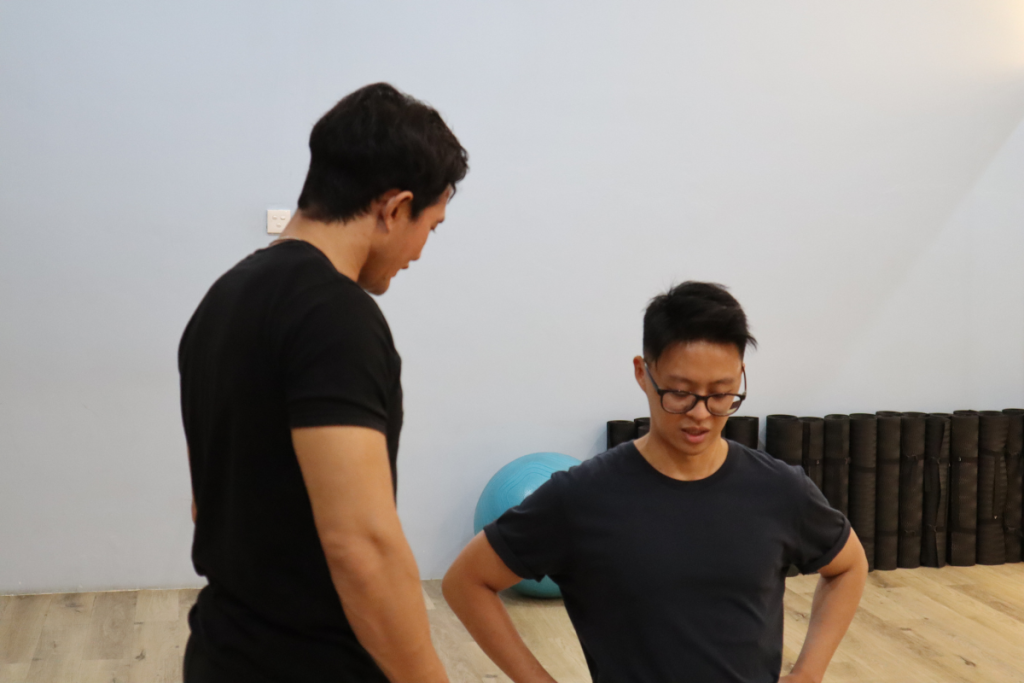
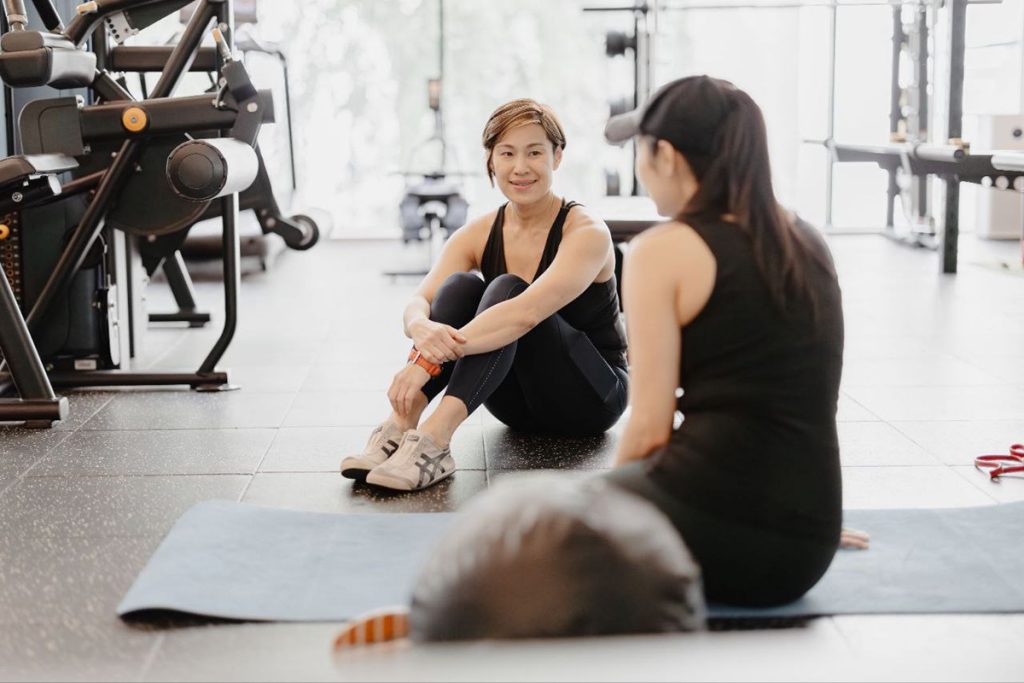
In a quiet park at dawn, a group of seniors gather. Some are chatting amiably, others are stretching quietly, preparing for their morning exercise routine. This scene is becoming increasingly common as communities recognize the importance of tailored fitness programs for seniors. These programs, designed specifically for the senior demographic are about staying physically active and enabling them to embrace a lifestyle that celebrates aging with vigor and grace.
The Necessity of Tailored Fitness Programs for Seniors
As we age, our bodies undergo significant changes, necessitating a shift in our approach to fitness. Generic exercise routines, often designed for younger adults, may not address the unique needs and challenges faced by seniors. Tailored fitness programs for seniors focus on maintaining and improving flexibility, balance, strength, and cardiovascular health – all crucial for enhancing quality of life in later years. According to the National Institute on Aging, regular exercise for seniors reduces the risk of falling by 23% and significantly improves cognitive function (National Institute on Aging, 2022).
Benefits of Exercise in Aging
Physical activity in the senior years offers manifold benefits. It’s not just about combating the risks of heart disease, diabetes, or osteoporosis; it’s also about maintaining independence and enjoying an active lifestyle. A study in the Journal of Geriatric Physical Therapy showed that seniors participating in tailored exercise programs experienced improved mobility and a better ability to perform daily activities (Smith & Jones, 2023). This improvement directly translates to a more fulfilled and autonomous life.
Mental and Emotional Well-being
The advantages of tailored fitness programs extend beyond physical wellness. Regular exercise has been linked to improved mental health, reducing symptoms of anxiety and depression, often prevalent in seniors. Furthermore, these programs offer social interaction opportunities, which are essential for emotional well-being. The sense of community and belonging that comes from group exercises can combat feelings of loneliness and isolation.
Designing Senior-Friendly Fitness Programs
Effective fitness programs for seniors take into account the varied capabilities and health conditions common in older adults. Exercises are often low-impact, focusing on joint health, balance, and muscle strengthening without excessive strain. Additionally, these programs are adaptable, allowing modifications to cater to individual health concerns and fitness levels. The inclusion of activities like yoga, tai chi, and water aerobics caters to both physical and mental health needs.
Incorporating Technology and Innovation
The integration of technology in senior fitness programs is on the rise, offering innovative ways to engage and motivate the older population. From virtual classes to fitness trackers, technology makes fitness more accessible and enjoyable. These tools not only help seniors monitor their progress but also provide a sense of accomplishment and motivation.
The Role of Community and Healthcare Providers
Community centers and healthcare providers play a pivotal role in promoting and facilitating these tailored fitness programs. By offering accessible and affordable options, they ensure that the benefits of exercise are available to all seniors, regardless of socioeconomic status.
Tailored fitness programs for the senior demographic are not just a health necessity; they’re a celebration of aging actively and with dignity. By addressing the unique needs of seniors, these programs open doors to a lifestyle where aging is not seen as a decline, but as an opportunity for continued growth and enjoyment. As we witness more seniors embracing these programs, one might ponder: how will the continued advancement in senior fitness reshape our perceptions of aging in the years to come?
References
National Institute on Aging. (2022). Exercise and Physical Activity for Older Adults. National Institutes of Health.
Smith, T., & Jones, L. M. (2023). Impact of Tailored Exercise Programs on Mobility in Older Adults. Journal of Geriatric Physical Therapy, 46(1), 55-62.