Welcoming a new life into the world is a remarkable journey, but it also brings forth significant changes in a woman’s body. Postpartum is a transformative period that demands attention to both physical and mental well-being. In this article, we will shed light on the importance of postpartum exercise for new mothers and explore its positive impact on overall health. Additionally, we will delve into best practices that fitness professionals can adopt to support postpartum recovery and facilitate strength-building.
Embracing the Significance of Postpartum Exercise
The postpartum phase is a time of adjustment, both physically and emotionally. Beyond the joy of welcoming a new baby, this phase comes with its own set of challenges. While the focus often centers on the baby’s well-being, it’s equally crucial to prioritize the health and recovery of the new mother. Postpartum exercise plays a crucial role in aiding this recovery.
Physical Benefits of Postpartum Exercise
- Restoring Core Strength: Pregnancy takes a toll on the abdominal muscles, leading to a weakening of the core. Engaging in targeted postpartum exercises helps in gradually reactivating and strengthening these core muscles. A strong core is essential for overall stability, posture, and daily activities, especially when new moms are often lifting and carrying their babies.
- Pelvic Floor Rehabilitation: Childbirth can strain the pelvic floor muscles, leading to issues such as incontinence. Targeted pelvic floor exercises aid in rehabilitating and restoring pelvic floor strength. A study by Luginbuehl et al. (2015) found that pelvic floor muscle training significantly improved symptoms of urinary incontinence in postpartum women.
- Boosting Energy Levels: The demands of motherhood can lead to postpartum fatigue, compounded by disrupted sleep patterns. Engaging in postpartum exercises can boost energy levels, counteracting the fatigue and promoting a sense of vitality.
Mental Health and Well-Being
- Alleviating Postpartum Depression: The hormonal fluctuations after childbirth can contribute to postpartum depression. Engaging in regular exercise triggers the release of endorphins—natural “feel-good” hormones that can alleviate symptoms of postpartum depression. Research by Armstrong et al. (2019) underscores the positive impact of exercise on postpartum mental health.
- Stress Reduction: The transition to motherhood comes with its share of stress and anxiety. Exercise provides a healthy outlet for stress, promoting relaxation and emotional well-being. The calming effects of exercise extend beyond the workout session, helping new mothers navigate the challenges more effectively.
Best Practices for Postpartum Fitness Professionals
As fitness professionals, guiding postpartum clients requires specialized knowledge and a compassionate approach. Understanding the unique needs of postpartum bodies is crucial for designing safe and effective fitness routines.
1. Prioritize Individual Assessment
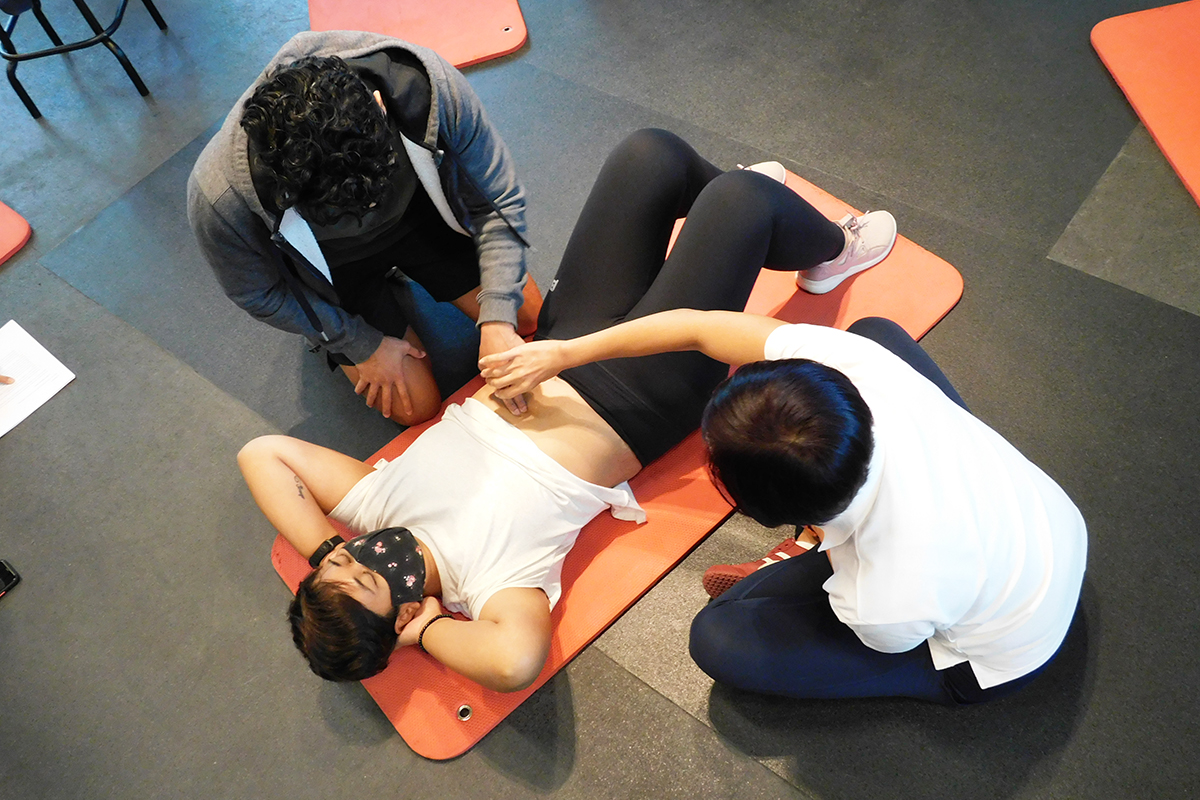
Every postpartum journey is unique. Before embarking on any exercise program, conduct thorough assessments to understand any complications, diastasis recti (separation of abdominal muscles), or pelvic floor issues that need attention. Tailor the fitness plan according to the individual’s needs.
2. Gradual Progression
Encourage gradual progression to prevent overexertion. The postpartum body requires time to recover fully. Begin with low-impact exercises and gradually incorporate resistance training and cardiovascular activities as the body gains strength and endurance.
3. Core and Pelvic Floor Focus
The core and pelvic floor are primary areas that require attention during postpartum recovery. Integrate exercises that focus on rebuilding core strength and pelvic floor stability. Techniques like the “drawing in” maneuver and Kegels can aid in effective recovery.
4. Mind-Body Connection
The postpartum period is a time of adjustment not only physically but emotionally as well. Emphasize mind-body exercises like yoga and meditation to help new mothers reconnect with their bodies, manage stress, and enhance overall well-being. These practices can contribute to better mental resilience and a positive self-image.
5. Educate and Empower
Educate clients about the benefits of postpartum exercise and its impact on physical and mental health. Empower them with the knowledge to make informed choices about their fitness journey. Address common misconceptions and provide guidance on appropriate exercises for each stage of postpartum recovery.
The postpartum phase is a transformative chapter that demands a holistic approach to well-being. Postpartum exercise isn’t just about physical recovery; it’s a powerful tool for boosting mental health, promoting self-confidence, and aiding in the transition to motherhood. As fitness professionals, your role in supporting postpartum clients goes beyond exercise—it’s about creating a nurturing space for them to rebuild strength, both inside and out. By understanding their unique needs, tailoring fitness plans, and fostering a sense of empowerment, you can guide new mothers towards a journey of holistic well-being.
References
- Armstrong, K., Edwards, H., & The Australian Pelvic Floor Questionnaires Research Team. (2019). The Australian Pelvic Floor Questionnaires: validation of the Content and Face Validity of the Incontinence Impact Questionnaire-7 (IIQ-7) and the Incontinence Impact Questionnaire-UI (IIQ-UI). Disability and Rehabilitation, 41(2), 141-148.
- Luginbuehl, H., Greter, L., & Murer, K. (2015). Pelvic floor muscle training for prevention and treatment of urinary and faecal incontinence in antenatal and postnatal women. Cochrane Database of Systematic Reviews, 2015(12), CD007471.